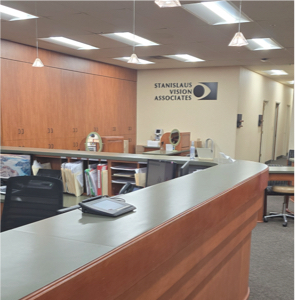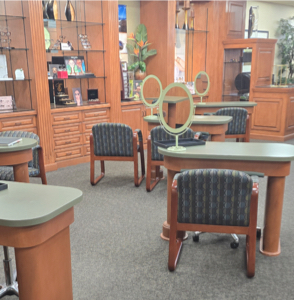
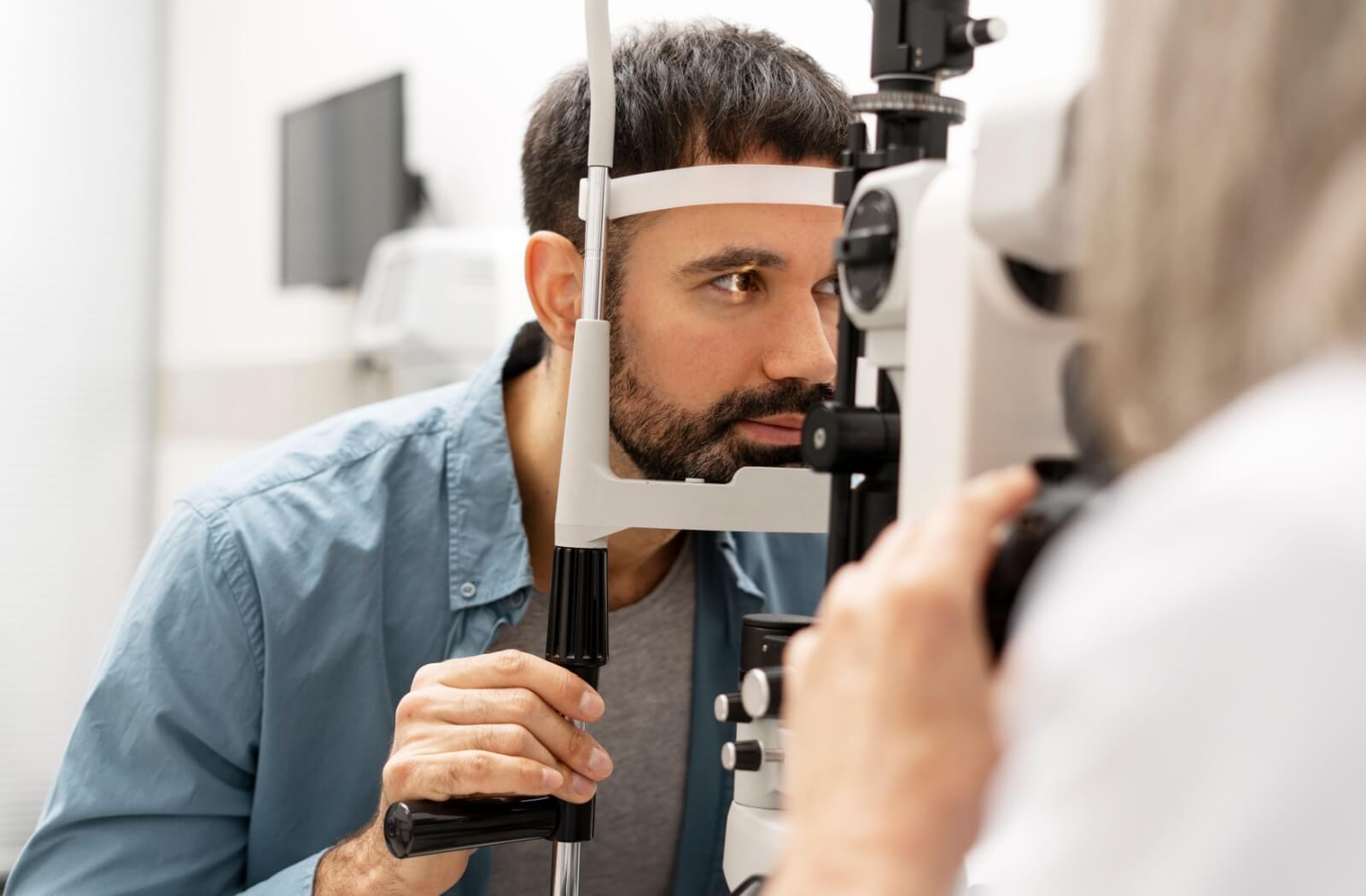
Regular eye exams are a key part of your overall health routine. At Stanislaus Vision Associates, our team is here to provide care that extends beyond just checking your vision. We aim to have you leave our office with a better understanding of your eyes than you had before.
The right frequency for your eye exams depends on your age, personal health, and any risk factors you may have. Following a recommended schedule helps protect your sight and can give you insight into your overall well-being.
General Eye Exam Frequency by Age
How often you need an eye exam varies with age. Here are some simple guidelines to help you and your family stay on track with your eye health.
For Children and Teens
Young eyes develop and change quickly. Children can usually benefit from their first eye exam between 6–12 months of age to support their healthy visual development, again between ages 3–5, and before starting first grade. We want to send them off to school confident that their eyes will support their learning. After that, eye exams every 1–2 years are common unless an eye doctor suggests a different schedule.
For Adults Ages 18–64
If you have no vision problems or risk factors, a typical schedule is an eye exam every 2 years. When you wear glasses, contacts or have certain health conditions, your eye doctor may recommend more frequent visits to monitor your eye health.
For Seniors Age 65 and Up
As you get older, the risk for certain eye conditions like age-related macular degeneration (AMD) can increase. Yearly eye exams are often recommended to help catch any changes early and help keep your eyes healthy for years to come.
Why You Need Regular Eye Exams
You might think that if you see perfectly, you can skip a visit to the eye doctor. However, an exam checks for much more than just blurry vision. Many serious eye conditions develop without any early warning signs.
Detect Eye Conditions Early
An eye exam can help spot conditions like glaucoma and cataracts before you notice any symptoms. Early detection can give you more options for care and help protect your vision.
Spot Other Health Issues
Your eyes can show some of the first signs of other health issues, such as diabetes, high blood pressure, and high cholesterol. Getting an eye exam can help spot these conditions so that you can begin managing them.
Keep Your Prescription Current
Your vision can change gradually over time without you even noticing. A regular eye exam helps confirm your glasses or contact lens prescription is accurate, which can help prevent eye strain and headaches.
Signs It’s Time for an Eye Check-Up
Your body often tells you when something is off. If you notice any of these changes, it’s a good idea to schedule a visit, even if it’s not time for your routine exam:
- Frequent headaches, which can be a sign of digital eye strain
- Blurry, fuzzy, or double vision
- Trouble with glare or seeing at night
- Eye strain, fatigue, or discomfort
- Needing to squint to see objects clearly
- See floating spots or flashes of light
Factors That Can Affect Your Exam Schedule
General guidelines are a great start, but your personal health needs might be different. Certain factors may mean you need more frequent eye exams to help protect your vision.
If You Wear Glasses or Contacts
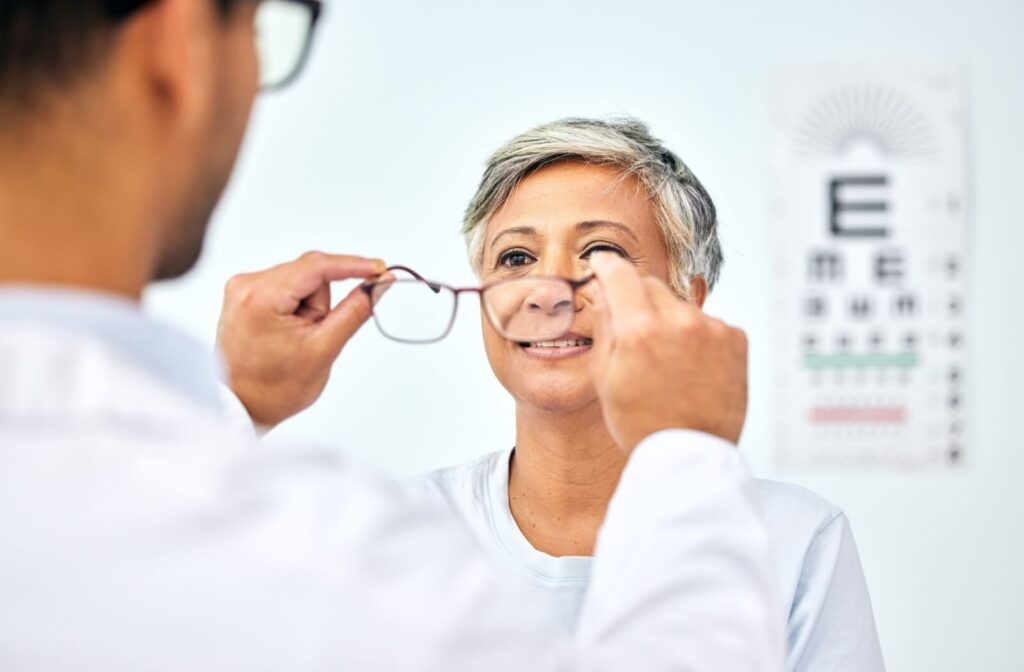
People who wear corrective eyeglasses or contacts should typically have their eyes checked every year. This helps confirm that your prescription is correct and, if you wear contact lenses, can check that they fit properly.
If You Have Certain Health Conditions
Conditions like diabetes or high blood pressure can affect your eye health. A family history of eye disease (such as glaucoma or macular degeneration) also puts you at a higher risk. In these cases, yearly exams are often recommended.
What to Expect from Your Optometrist
An eye exam should be a simple and comfortable experience. It’s a chance to connect with an eye care team focused on your family, and get clear answers to your questions.
A Straightforward Process
The eye exam usually starts with a conversation about your health history and any vision concerns you may have. Then, a member of our team can check your vision sharpness and performs a series of tests to evaluate your complete eye health.
Honest Recommendations for Your Care
You can expect honest and transparent care that focuses on your needs. Our staff will only recommend tests that support your eye health, never unnecessary add-ons. We also want to hear any questions you have, because our goal is always to give you the information you need to make well-informed decisions for your vision.
Book an Eye Exam for Anyone in the Family
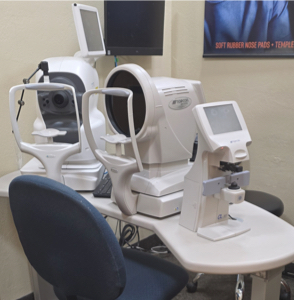
Staying on top of your eye health with regular exams is a simple way to care for yourself and your family. With lots of appointment availability and innovative diagnostic tools, our team at Stanislaus Vision Associates is here to support you with friendly, approachable eye care. Call us today to make an appointment!