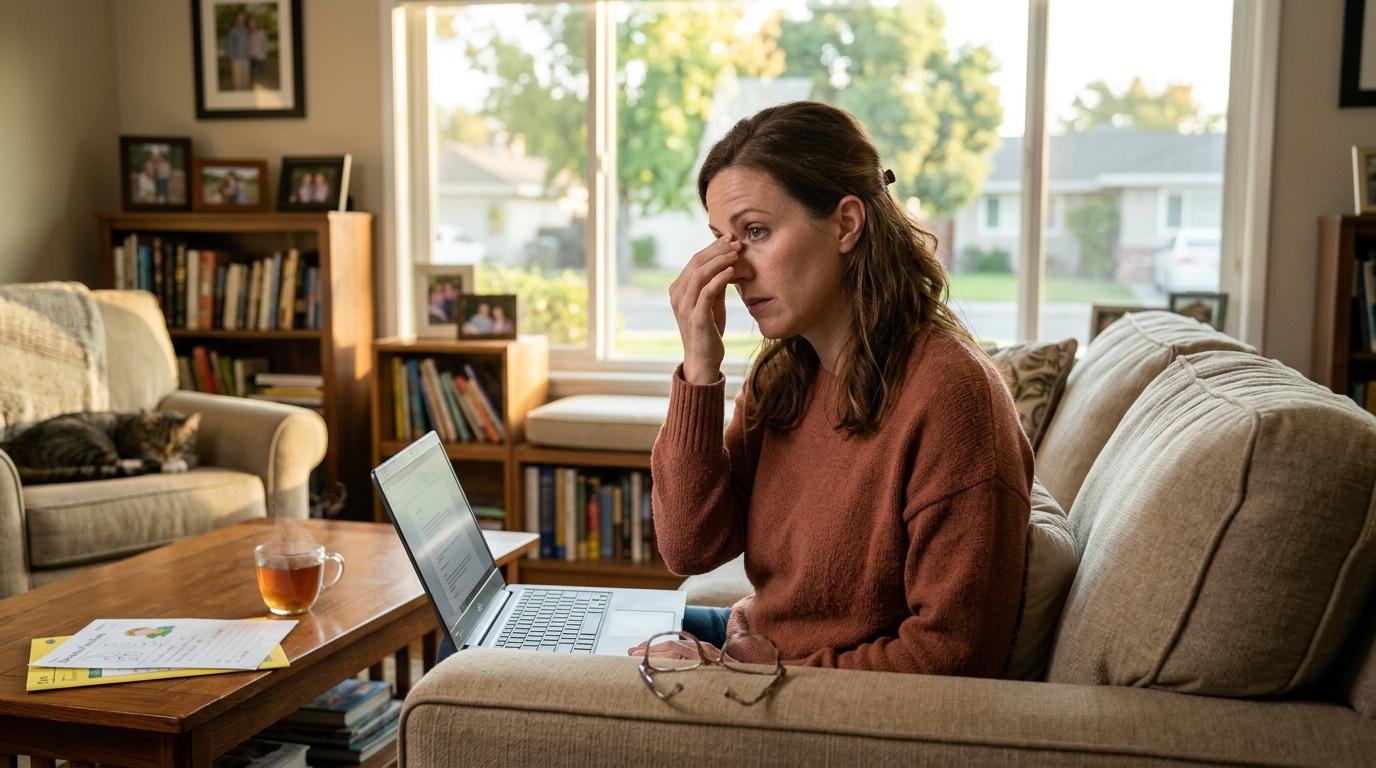
You know that heavy, tired feeling in your eyes after a long day of staring at a screen? That’s eye strain. It happens when your eyes work hard for a long stretch without a break, much like how your legs feel after standing all day.
For most people, eye strain goes away after 20 to 30 minutes of rest, but it can stick around for days if you don’t change your habits. Your optometrist can help you pinpoint the habits that are keeping the discomfort going.
What Eye Strain Actually Is
Eye strain develops when you push your eyes to focus on intense tasks for extended periods. Think of it like muscle fatigue. Just as your arms get tired from carrying heavy objects, the tiny muscles in your eyes become exhausted from staring at screens, reading fine print, or driving long distances.
This fatigue usually brings temporary discomfort that fades once you step away and rest. It doesn’t typically indicate permanent damage, but you still need to listen to your body. Pay attention to how your eyes feel throughout the day. Address the tension early and give your eyes the break they deserve so you can stay comfortable and focused.
How Long Eye Strain Typically Lasts
In many cases, eye strain clears up quickly. Step away and rest your eyes for 20 to 30 minutes after a long meeting or a few hours of reading to help them recover. You may even notice relief sooner than that.
If too much screen time in one sitting causes the issue, a good night’s sleep may help you feel back to normal. Your eyes do a lot of recovery work while you sleep, often bringing noticeable relief by morning.
When It Lasts Longer
Sometimes eye strain sticks around for a day or two, or even longer. That often happens when the thing causing the strain hasn’t changed. If you keep working long hours in front of a bright screen without breaks, the discomfort can build up day after day.
Manage dry eye or headaches that accompany the strain, as they can slow down your recovery. They add to overall tension and make it harder for your eyes to recover on their own.
Symptoms to Watch For
Eye strain can show up in a few different ways. Some symptoms are easy to spot, while others, like neck or back discomfort, might not seem connected to your eyes at first. Here’s what to look for:
- Blurry or double vision
- Sore, dry, or watery eyes
- Headaches that tend to come on during or after screen use
- Sensitivity to light
- Neck, shoulder, or back discomfort from squinting or leaning in
If you’re noticing more than one of these at the same time, your eyes are likely telling you they need a break, or possibly more support than rest alone can provide.
Why Eye Strain May Not Go Away
Your environment plays a bigger role than you might think. Fix screens that are too bright, too dim, or positioned at awkward angles to reduce stress on your eyes. Improve poor lighting in your workspace so your eyes don’t have to work so hard just to see clearly.
Make sure you blink more often. Most people blink far less when focusing on a screen. This dries out the surface of your eyes and adds to that tired, irritated feeling.
Possible Underlying Conditions Related to Eye Strain
Sometimes eye strain lingers because there’s something else going on. Conditions like astigmatism or dry eye can make your eyes work harder than they should throughout the day. If those conditions aren’t being managed, the discomfort tends to keep coming back.
Update your glasses or contact lens prescription if it’s out of date. When your lenses no longer match your vision needs, your eyes constantly strain to compensate. Check your vision regularly as you get older to catch these gradual shifts.

Ways to Ease Eye Strain
One of the easiest things you can do is follow the 20-20-20 rule. Every 20 minutes, look at something 20 feet away for 20 seconds. It gives your eye muscles a chance to relax and can noticeably reduce end-of-day fatigue.
Build these simple daily habits into your routine to give your eyes a break:
- Adjust your screen brightness to match the light in your room
- Position your screen at arm’s length and slightly below eye level
- Make a conscious effort to blink more often during screen use
- Drink enough water throughout the day to support eye moisture
When to Get a Professional Eye Exam
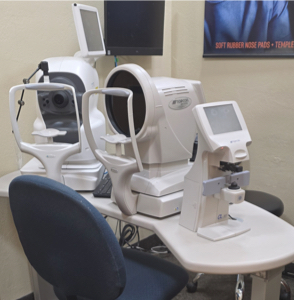
If your eye strain keeps coming back even after you’ve made lifestyle changes, that’s a sign worth paying attention to. Frequent headaches, light sensitivity, or blurry vision that doesn’t settle down are all good reasons to get your eyes checked by a professional.
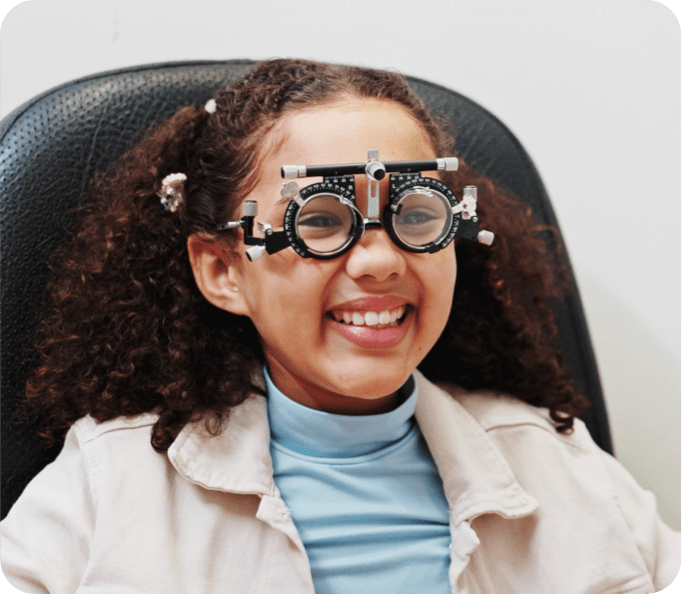
Schedule a thorough eye exam to determine whether an updated prescription, dry eye, or another condition may be playing a role. Getting ahead of the issue is a lot easier than working through weeks of daily discomfort.
Time to Give Your Eyes Some Attention
Eye strain doesn’t have to be part of your daily routine. With a few habit changes and the right support, it’s something you can address and manage. If rest and adjustments aren’t enough, an eye exam can point you in the right direction.
The team at Stanislaus Vision Associates is ready to help! An appointment is needed for glasses adjustments and servicing, and the experienced team is here to make eye care simple and accessible for you and your whole family.
Reach out today to schedule your next exam and take care of your vision.