
Key Takeaways
- A cataract forms when the eye’s natural lens becomes cloudy, preventing some light from passing through clearly.
- Aging is the most common factor, but diabetes, smoking, sun exposure, and certain medications also raise your risk.
- Early signs include blurry vision, glare around lights, and frequent prescription changes.
- UV-blocking sunglasses and a diet rich in fruits and vegetables can help protect your eyes.
- Routine eye exams help catch changes early, before they affect your daily life.
You’re driving at night and everything feels blurry. Maybe you even avoid night-driving wherever possible because you don’t feel confident. Or you pick up a book you used to read easily, and the words look like someone smudged them. While it can be easy to think these are signs of tired eyes, at Stanislaus Vision Associates, we want you to recognize the signs of cataracts, understand their causes, and know when to seek professional care.
A cataract forms when the clear lens inside your eye becomes cloudy, causing light to scatter and reducing the amount of light that reaches the retina clearly. This can make your vision appear blurry, dim, or washed out. The lens inside your eye is made mostly of water and protein. Over time, those proteins can clump together and create a cloudy patch that slowly grows larger.
The Most Common Causes of Cataracts
Age and Natural Changes
Your eyes change naturally as you get older and the lens inside your eye is no exception. The proteins that keep it clear break down with age, which is why cataracts tend to start developing in people over 50. Early lens changes can begin in middle age, but cataracts are most commonly diagnosed in older adults.
Health and Lifestyle Factors
Your overall health plays a bigger role in your eye health than most people realize. Several lifestyle and medical factors can increase your risk of cataracts, including:
- Diabetes, which affects the way the body processes sugar and can lead to faster lens changes
- Smoking, which reduces the nutrients that reach your eye tissue
- Excessive alcohol use over many years
- Long-term use of corticosteroid medications
- Frequent sun exposure without UV eye protection
If you have diabetes, it doesn’t mean you’re destined to have cataracts, as that’s just 1 part of a larger health picture. Instead, it means diabetic eye exams are important because they help our team detect changes early.
First Signs of Cataracts to Watch For
Cataracts tend to develop slowly, so the early signs can be easy to brush off. Your glasses prescription might change more frequently than it used to, or colors might look slightly faded or yellowish. Everyone experiences cataracts differently, but here are some specific changes worth paying attention to:
- Blurry, cloudy, or dim vision that doesn’t improve with your current glasses
Ways to Help Protect Your Eyes
Simple Daily Habits
You don’t need a complicated routine to help support your long-term eye health. A few consistent habits can make a real difference over the years. Wearing sunglasses with UV400 or UV-blocking lenses every time you’re outdoors, even on cloudy days, helps reduce the cumulative sun exposure that can affect the lens. Eating more leafy greens, colorful vegetables, and fruits like oranges and berries gives your body antioxidants that can support eye tissue health.
If you smoke, reducing or stopping that habit is one of the most direct changes you can make for your vision and overall health.
Regular Eye Exams
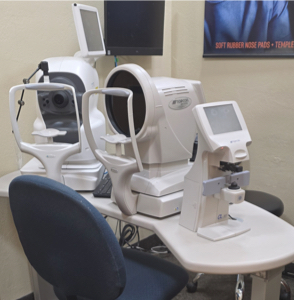
Habits at home are only part of the picture. Your Optometrist can track changes in your lens over time through comprehensive eye exams, sometimes before you notice any symptoms yourself. That early awareness gives you and your eye care team more options and more time to plan.
Schedule Your Visit Today
At Stanislaus Vision Associates, our team is ready to help you stay on top of your eye health with thorough, caring exams for every member of your family. We’ve been serving the Modesto area for over 100 years, and we’re committed to making your appointments feel personalized and caring. If you have questions about your vision or want to schedule a visit, reach out to our team today. Your eyes are worth the attention.