Key Takeaways
- Virtual eye exams can test visual acuity, but they can’t screen for serious eye conditions like glaucoma or retinal damage.
- Whether performed at home or in a remote testing location, virtual eye exams cannot replace a comprehensive eye exam with an eye doctor.
- Contact lenses require specific measurements that online tools can’t provide.
- In-person exams with an optometrist are important for detecting early signs of disease before you notice any symptoms.
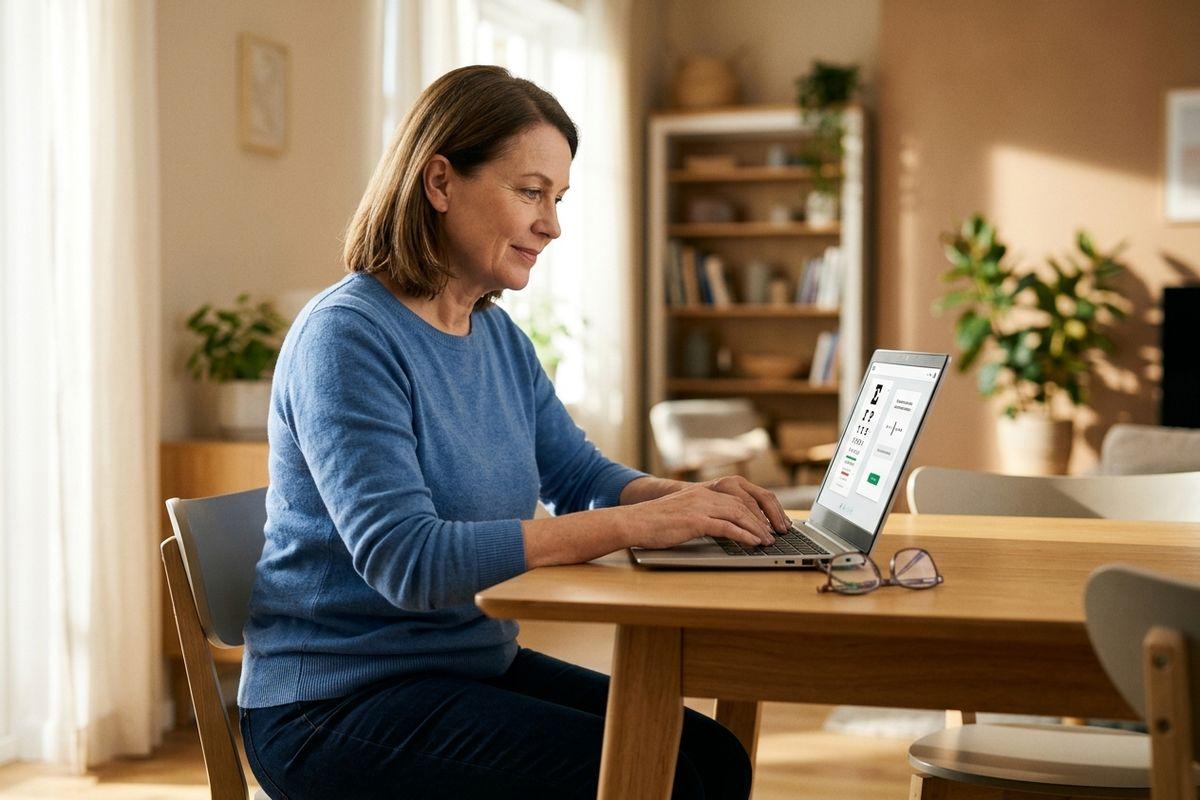
Virtual eye exams feel convenient. You sit at home, follow a few prompts on your screen, and get a prescription update without leaving the couch. That sounds like a win, especially if your schedule is packed or you haven’t noticed any changes in your vision. But at Stanislaus Vision Associates, we want you to understand what virtual eye exams miss, and why in-person exams are important.
While virtual technology may seem convenient, it cannot replace a comprehensive eye exam performed in person by an eye doctor. Whether you’re using an online platform at home or visiting a clinic that relies on remote examinations without a doctor on site, important parts of your eye health can be missed.
What a Virtual Eye Exam Actually Does
Virtual eye exams may be offered online from home or in a clinic where testing is performed by staff while an eye doctor reviews the results remotely. While virtual technology may assess certain aspects of your vision, it cannot replace the comprehensive examination performed by an eye doctor in person.
In many remote exam models, the eye doctor is not physically present to examine your eyes, limiting their ability to evaluate your overall eye health firsthand.
It’s important to know that during a virtual eye exam, an eye doctor doesn’t perform a comprehensive examination of your eye health. They test how clearly you see at different distances, which are 2 very different things.
What Virtual Exams Can’t Check
Remote Eye Exams in Optical Stores
Some optical retailers and vision centers now offer remote or “virtual” eye exams, where testing is performed in the office while the eye doctor evaluates the results from another location. Although these services may seem similar to a traditional eye exam, they are not the same as having an eye doctor physically present to perform a comprehensive examination.
When your eye doctor is in the room with you, they can evaluate subtle findings firsthand, ask follow-up questions based on what they observe, and adjust the examination as needed. That level of personalized care and clinical judgment cannot be replicated through remote technology alone.
While these systems may provide convenience, they are not the same as having an eye doctor physically present to perform a comprehensive examination.
During a traditional in-person eye exam, your eye doctor can evaluate your eyes directly, observe subtle findings, ask follow-up questions, and adjust the examination based on what they see. That level of personalized care simply cannot be replicated through remote technology alone.
Eye Health Conditions They Miss
Many serious eye conditions show no symptoms early on. You might feel completely fine while something is quietly developing inside your eye, and virtual exams have no way to detect that.
For example, glaucoma is associated with elevated eye pressure, and requires in-office testing to detect. Retinal tears or damage aren’t visible through an online screen test, and early signs of eye disease, such as macular degeneration, would go completely undetected without an in-person exam.
What an In-Person Visit Covers
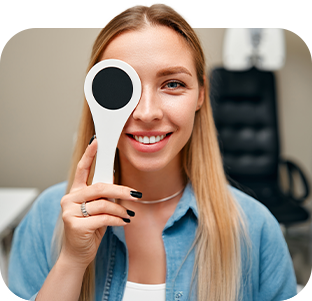
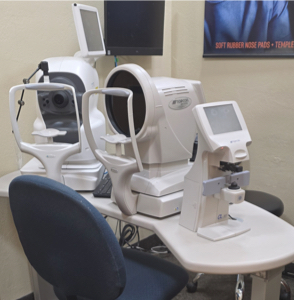
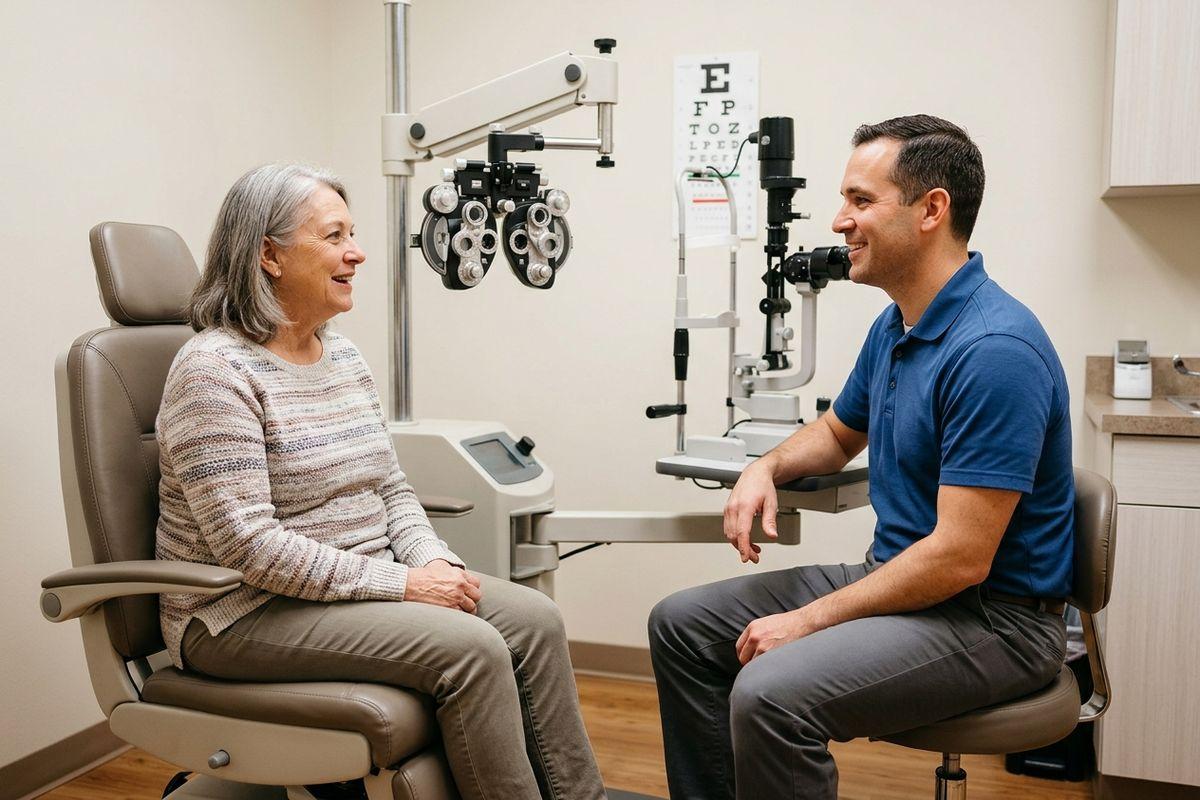
When you come in for a full exam, the eye doctor checks much more than how well you see. They look at how your pupils respond to light, how your eyes move and work together, and if there are any changes in your peripheral (side) vision. They also examine all the structures in your eye from front to back, inside and out. Because your eye doctor is present throughout the examination, they can investigate unexpected findings immediately, answer your questions, and tailor the exam to your specific needs. That level of individualized care is difficult to achieve through remote examination technology.
That full picture matters. An in-person exam can also detect early signs of conditions like diabetes and high blood pressure, sometimes before you’ve been diagnosed. Your eyes can reflect what’s happening throughout your entire body.
Why Comprehensive Eye Exams Still Matter
Although virtual exams may seem convenient, they should never replace a comprehensive eye exam. Even healthy young adults with stable vision can develop eye conditions without noticeable symptoms. Routine in-person eye exams remain the best way to protect your long-term eye health.
Not Suited for These Groups
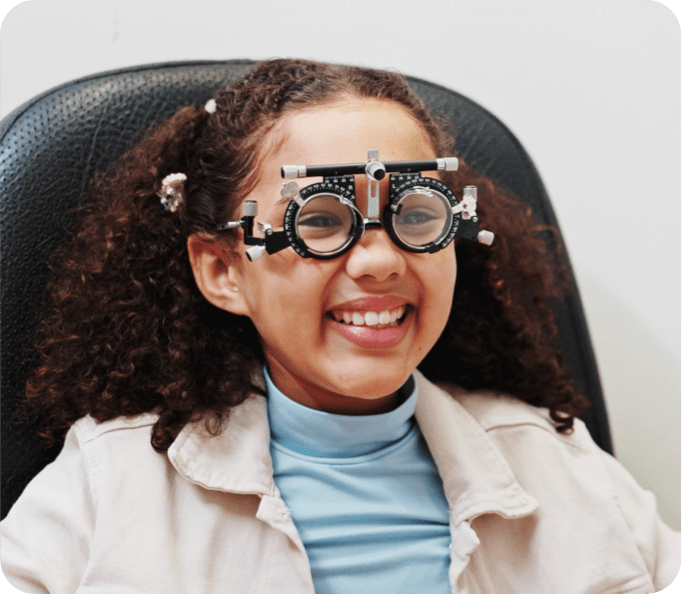
For most families, virtual exams aren’t a good fit. Children and teens need regular in-person exams because their vision is still changing and their eyes are still developing. Adults 40 and older face a higher risk of age-related eye conditions that only a physical exam can catch. Anyone wearing contact lenses needs more than a screen test can offer.
If you fall into one of these groups, we recommend you come in-person for your eye exams:
- Children and teens, because vision changes quickly during growth
- Adults 40 and older, who need closer monitoring for age-related eye conditions
- Contact lens wearers, who need a proper measurement and fit
- Anyone with a high-power or irregular prescription that needs careful refinement
Prescription Accuracy and Contact Lenses
With a virtual eye exam, there is a greater chance that the prescription may not be as precise as one obtained during a comprehensive in-person exam. Even a small amount of inaccuracy in a glasses prescription can cause real discomfort. You might notice headaches after a few hours of screen time, blurry vision that comes and goes, or eye strain that didn’t used to be there.
Contact lenses add another layer of precision. They have to match the exact curve of your cornea (the clear, outer layer of your eye), and that measurement can only be taken in person. A poor fit doesn’t just feel uncomfortable: It can affect the health of your eye over time.
In-Person Eye Exams Matter
How Often to Schedule a Visit
For most healthy adults, getting an eye exam every 1 to 2 years is a reasonable schedule. If you’re 65 or older, our team at your eye doctor’s office may recommend coming in more often, since the risk of conditions like cataracts and glaucoma goes up with age.
What an Optometrist Can Offer
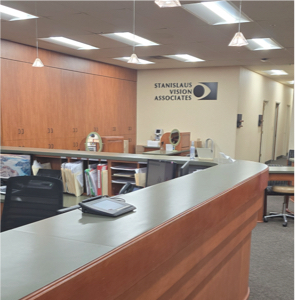
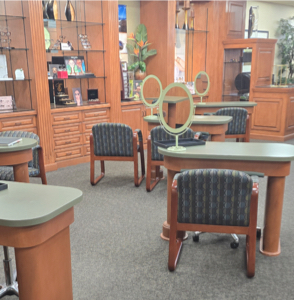
At Stanislaus Vision Associates, every comprehensive eye exam is performed with an eye doctor present to evaluate your vision and eye health firsthand. We believe direct doctor-patient interaction allows for a more thorough examination, more personalized care, and greater confidence that potential problems won’t be overlooked.
Our experienced optometric team has over 100 years of combined experience and the kind of thorough, hands-on care that no online tool can match. We want to help your entire family see clearly and comfortably for the long term.
Schedule Your Eye Exam
Whether you’re due for a routine visit or you’ve noticed something feels off with your vision, an appointment with an optometrist in Modesto, CA, can give you a complete picture of your eye health, not just a snapshot of how far down the chart you can read.
When it comes to protecting your sight, convenience should never replace comprehensive care. An in-person eye exam with an eye doctor provides a level of evaluation and personalized attention that virtual testing simply cannot match. Schedule your comprehensive eye exam with Stanislaus Vision Associates today.